Sustainable E-commerce: US Consumer Trends for 2025
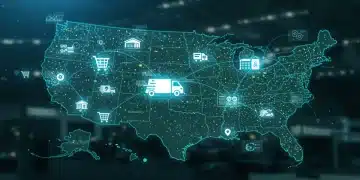
Sustainable e-commerce in the US is projected to be significantly influenced by consumer demands for ethical sourcing, transparent supply chains, and circular economy models by 2025, fundamentally reshaping online retail practices.
The landscape of online shopping is constantly shifting, but few forces exert as profound an influence as the growing demand for sustainability. By 2025, sustainable e-commerce trends in the US will not just be niche preferences; they will be central to how consumers choose to spend their money and which brands earn their loyalty. Understanding these shifts is crucial for any business looking to thrive in the evolving digital marketplace.
The Rise of Conscious Consumerism: A Driving Force
Conscious consumerism is no longer a fringe movement; it’s a mainstream expectation. US consumers, particularly younger demographics, are increasingly scrutinizing the environmental and social impact of their purchases. This shift is compelling e-commerce businesses to adopt more sustainable practices, not just as a moral imperative but as a competitive advantage.
This growing awareness stems from a variety of factors, including increased media coverage of climate change, social justice movements, and a general desire for products that align with personal values. Shoppers are becoming more educated about the lifecycle of products, from raw material extraction to disposal, and are seeking out brands that demonstrate genuine commitment to sustainability rather than mere greenwashing.
Understanding the Conscious Consumer’s Mindset
To effectively cater to conscious consumers, e-commerce businesses must delve deeper into their motivations and expectations. It’s about more than just offering an eco-friendly product; it’s about building trust and demonstrating integrity across the entire business model.
- Environmental Impact: Shoppers prioritize brands that minimize their carbon footprint, reduce waste, and use renewable resources.
- Social Responsibility: Fair labor practices, ethical sourcing, and community support are critical considerations.
- Health and Wellness: A preference for non-toxic, natural, and organic products extends to packaging and production methods.
- Transparency: Consumers want clear, verifiable information about a product’s origins, ingredients, and the company’s sustainability efforts.
The conscious consumer is a discerning one, often willing to pay a premium for products and services that meet their ethical standards. This demographic is also highly influential, sharing their positive and negative experiences widely on social media, thereby shaping broader market perceptions.
Trend 1: Circular Economy Models and Product Life Cycles
The traditional linear ‘take-make-dispose’ model is rapidly becoming obsolete. By 2025, the US e-commerce landscape will see a significant acceleration in circular economy models, where products are designed for durability, reuse, repair, and recycling. This trend is not just about waste reduction; it’s about creating new value streams and fostering customer loyalty through innovative service offerings.
This shift encompasses everything from product design to reverse logistics. Brands are rethinking how their products are made, how they can be returned for refurbishment, and how their components can be repurposed. It’s a holistic approach that challenges conventional manufacturing and retail practices.
Rental, Resale, and Repair: New Avenues for E-commerce
The concept of ownership is evolving, particularly among younger generations. Rental services for fashion, electronics, and even tools are gaining traction, offering access to goods without the commitment of full ownership. Resale platforms, both peer-to-peer and brand-operated, are thriving, extending the life of products and creating a secondary market.
- Rental Services: E-commerce platforms offering temporary access to high-value items, reducing consumption and promoting variety.
- Resale Marketplaces: Facilitating the buying and selling of pre-owned goods, from luxury fashion to electronics, driven by both sustainability and affordability.
- Repair and Refurbishment Programs: Brands investing in services that allow customers to repair damaged items or return them for refurbishment, extending product utility.
These models not only reduce waste but also make high-quality products more accessible, appealing to a broader consumer base. They also provide brands with new revenue streams and opportunities for direct customer engagement throughout the product’s extended life cycle.
Trend 2: Hyper-Transparency and Supply Chain Traceability
In an age of information, consumers demand to know more about the products they buy. Hyper-transparency and end-to-end supply chain traceability will be non-negotiable for leading e-commerce businesses by 2025. This means providing detailed, verifiable information about a product’s journey, from its raw materials to its delivery at the customer’s door.
The push for transparency is fueled by concerns about ethical labor practices, environmental impact, and product authenticity. Technologies like blockchain are emerging as powerful tools to enable this level of traceability, offering immutable records of every step in the supply chain.
Leveraging Technology for Unprecedented Visibility
E-commerce platforms are starting to integrate sophisticated tracking systems that allow consumers to virtually follow their product’s journey. QR codes on packaging, interactive web pages, and even augmented reality experiences are being used to share origin stories, material certifications, and carbon footprint data.
- Blockchain Integration: Providing secure, verifiable, and transparent records of product origin, manufacturing processes, and certifications.
- Digital Product Passports: Comprehensive digital profiles for each product, detailing its materials, production methods, and sustainability credentials.
- Supplier Audits and Certifications: Publicly sharing results from third-party audits and adherence to recognized sustainability standards.
This level of transparency builds immense trust with consumers and helps differentiate brands committed to genuine sustainability from those engaging in superficial green claims. It also empowers consumers to make truly informed decisions.
Trend 3: Localized Production and Green Logistics
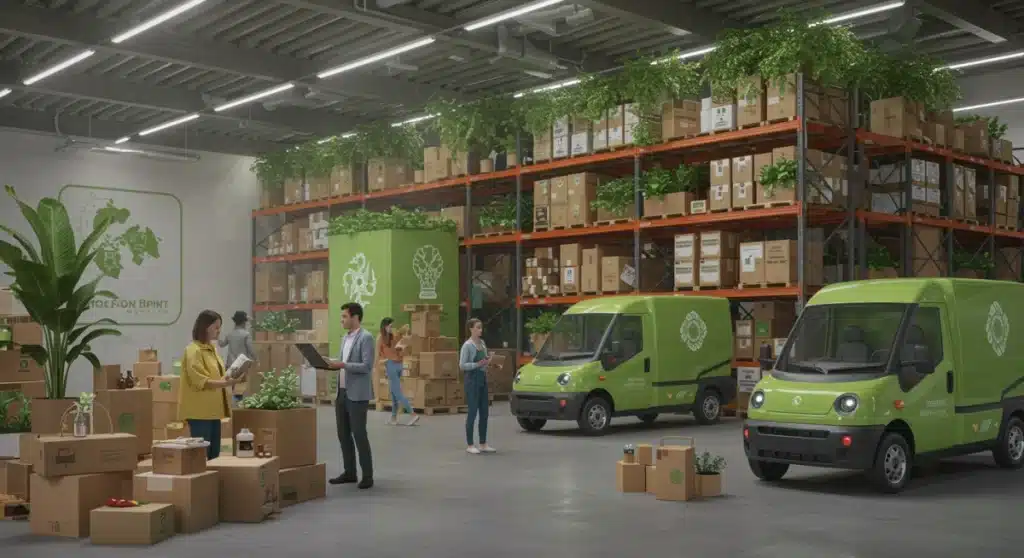
The globalized supply chains that once dominated e-commerce are being re-evaluated for their environmental impact. By 2025, there will be a significant push towards localized production and green logistics in the US, aiming to reduce transportation emissions and support local economies. Consumers are increasingly valuing brands that minimize the distance their products travel.
This trend involves a strategic shift in manufacturing and distribution networks, favoring regional suppliers and fulfillment centers. It also necessitates innovations in last-mile delivery to ensure environmentally friendly transportation to the customer’s doorstep.

Innovations in Eco-Friendly Delivery
Green logistics is about more than just electric vehicles; it’s a comprehensive approach to optimizing every stage of the delivery process to reduce environmental impact. This includes route optimization, the use of sustainable packaging materials, and consolidating shipments.
- Electric Vehicle Fleets: Transitioning to electric vans, bikes, and even drones for last-mile delivery in urban areas.
- Optimized Routing: Utilizing AI and data analytics to plan the most efficient delivery routes, reducing fuel consumption and emissions.
- Sustainable Packaging: Moving away from single-use plastics towards recyclable, compostable, or reusable packaging materials.
- Local Fulfillment Centers: Establishing smaller, localized distribution hubs to bring products closer to consumers, cutting down on long-haul transportation.
Localized production and green logistics not only appeal to environmentally conscious consumers but can also lead to operational efficiencies and reduced costs in the long run. It’s a strategic investment in both planetary health and business resilience.
Overcoming Challenges in Sustainable E-commerce
While the momentum for sustainable e-commerce is undeniable, businesses face several challenges in implementing these trends effectively. The transition requires significant investment, innovation, and a fundamental shift in traditional business practices. Navigating these obstacles successfully will determine market leadership.
One primary challenge is the perception of higher costs associated with sustainable goods and practices. Consumers, while willing to pay a premium, still have price sensitivities. Balancing affordability with genuine sustainability requires creative solutions and efficient operational models.
Navigating the Path to a Greener Future
E-commerce companies must strategically address these challenges to fully capitalize on the sustainable shift. This includes clear communication with consumers, robust investment in sustainable infrastructure, and fostering cultural change within organizations.
- Cost Management: Finding innovative ways to make sustainable products and processes cost-competitive, perhaps through economies of scale or new business models.
- Consumer Education: Clearly communicating the value proposition of sustainable products, justifying any price differences, and educating consumers on their impact.
- Regulatory Compliance: Staying ahead of evolving environmental regulations and ensuring adherence to new standards for product labeling and supply chain transparency.
- Investment in R&D: Allocating resources to research and develop new sustainable materials, production methods, and logistical solutions.
The journey towards fully sustainable e-commerce is ongoing, but the direction is clear. Businesses that proactively address these challenges and embrace innovation will be best positioned to meet consumer demands and secure a resilient future.
The Future of E-commerce: Beyond 2025
Looking beyond 2025, the integration of sustainability into e-commerce will only deepen. It will evolve from being a set of distinct trends into an intrinsic part of how businesses operate and how consumers interact with brands. The innovations we see today are merely the foundation for a much more integrated and impactful future.
The next wave of advancements may include hyper-personalized sustainability insights for consumers, real-time carbon footprint tracking for every purchase, and even more sophisticated closed-loop systems that eliminate waste entirely. Imagine a future where every product bought online has a guaranteed second life, or where purchases automatically contribute to environmental restoration projects.
Preparing for a Fully Sustainable Digital Marketplace
E-commerce leaders must foster a culture of continuous innovation and adaptability to stay relevant. This involves not only technological advancements but also a commitment to ethical leadership and genuine corporate responsibility.
- Predictive Analytics for Sustainability: Using data to anticipate consumer preferences and supply chain vulnerabilities related to environmental impact.
- Collaborative Ecosystems: Forming partnerships with other businesses, NGOs, and governments to drive systemic change and scale sustainable solutions.
- Employee Engagement: Empowering employees to be advocates and innovators for sustainability within the organization.
The future of e-commerce is undeniably green. Businesses that embrace this reality and actively shape it will not only capture market share but also contribute meaningfully to a more sustainable planet, building a legacy that extends far beyond quarterly earnings.
| Key Trend | Brief Description |
|---|---|
| Circular Economy Models | Focus on designing products for durability, reuse, repair, and recycling, moving away from linear production. |
| Hyper-Transparency | Demands for detailed, verifiable information about product origins, materials, and entire supply chain journey. |
| Localized Production | Shift towards regional manufacturing and green logistics to reduce transportation emissions and support local economies. |
| Conscious Consumerism | Growing consumer preference for brands aligning with environmental and social values, influencing purchasing decisions. |
Frequently Asked Questions About Sustainable E-commerce
The primary driver is conscious consumerism, particularly among younger demographics, who increasingly prioritize environmental and social impact when making purchasing decisions online. They seek brands that demonstrate genuine ethical practices and transparency.
Circular economy models benefit e-commerce by reducing waste, extending product lifecycles through rental, resale, and repair, and creating new revenue streams. They appeal to eco-conscious consumers and foster stronger brand loyalty.
Technology, especially blockchain, plays a crucial role by providing verifiable and immutable records of a product’s journey. This allows e-commerce brands to offer hyper-transparency, detailing origins, materials, and ethical certifications to consumers.
Localized production is gaining importance to reduce transportation emissions and support local economies. Consumers prefer brands that minimize product travel distances, leading to a shift towards regional manufacturing and green logistics practices.
Challenges include the perception of higher costs for sustainable goods, the need for significant investment in new infrastructure, and overcoming consumer price sensitivities. Effective communication and innovation are key to navigating these hurdles successfully.
Conclusion
The trajectory of e-commerce in the US is undeniably moving towards greater sustainability. By 2025, the trends of circular economy models, hyper-transparent supply chains, and localized green logistics will be integral to consumer purchasing decisions. Businesses that proactively embrace these shifts, investing in ethical practices and clear communication, will not only meet evolving consumer demands but also secure a resilient and respected position in the competitive digital marketplace. The future of online retail is not just about convenience and price; it’s about purpose and planet.