DTC Data Privacy: 2025 US Regulations & Compliance Roadmap

Understanding and adapting to the new US data privacy regulations by 2025 is crucial for direct-to-consumer (DTC) brands to ensure compliance, protect consumer trust, and avoid significant penalties in an increasingly scrutinized digital landscape.
As the digital landscape evolves, so do the regulations governing personal data. For direct-to-consumer (DTC) brands, understanding and preparing for the upcoming changes in US data privacy laws is not just a legal obligation but a cornerstone of consumer trust. This article provides a comprehensive guide to Navigating DTC Data Privacy: Adapting to New US Regulations for a 2025 Compliance Roadmap, ensuring your brand is well-prepared for the future.
Understanding the Evolving US Data Privacy Landscape
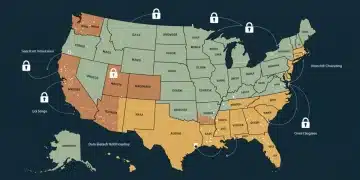
The United States has historically lagged behind regions like Europe in comprehensive data privacy legislation. However, a patchwork of state-level laws is rapidly converging, setting the stage for a more unified, albeit complex, regulatory environment by 2025. These new regulations are designed to grant consumers more control over their personal data, directly impacting how DTC brands collect, process, and store customer information.
The fragmented nature of US data privacy laws means that DTC businesses often face the challenge of complying with multiple, sometimes conflicting, state-specific requirements. This complexity necessitates a proactive and adaptable approach to data governance. Ignoring these evolving regulations can lead to substantial fines, reputational damage, and a loss of customer loyalty, making compliance a critical business imperative.
Key State-Level Privacy Laws to Monitor
Several states have already enacted significant data privacy laws, with more on the horizon. These statutes serve as foundational elements for future compliance strategies. Brands must familiarize themselves with the nuances of each to build a robust privacy framework.
- California Consumer Privacy Act (CCPA) / California Privacy Rights Act (CPRA): The pioneering US privacy law, granting consumers rights over their personal information and establishing the California Privacy Protection Agency.
- Virginia Consumer Data Protection Act (VCDPA): Offers similar consumer rights to the CCPA but with a slightly different scope and enforcement mechanism.
- Colorado Privacy Act (CPA): Emphasizes explicit consent for sensitive data processing and provides consumers with rights to access, correct, and delete their data.
- Utah Consumer Privacy Act (UCPA) and Connecticut Data Privacy Act (CTDPA): These laws continue the trend of granting consumers greater control, often featuring specific thresholds for applicability based on revenue or data processing volume.
The collective impact of these state laws creates a de facto national standard, pushing DTC brands to implement comprehensive privacy programs. A unified approach, rather than state-by-state compliance, often proves more efficient and effective in the long run.
Assessing Your Current Data Practices and Gaps
Before any significant adaptation, DTC brands must conduct a thorough audit of their existing data collection, storage, and processing practices. This assessment is the bedrock of a successful 2025 compliance roadmap. It involves mapping all data flows, identifying sensitive information, and understanding how data is used across the entire organization.
Many brands collect more data than they genuinely need, or they retain it longer than necessary. An honest evaluation can reveal unnecessary data points, insecure storage methods, or third-party vendors who may not meet upcoming compliance standards. Identifying these gaps early allows for strategic remediation and prevents last-minute scrambling.
Conducting a Comprehensive Data Audit
A data audit should be systematic and exhaustive, touching every aspect of your data lifecycle. This process helps in understanding your current posture and pinpointing areas that require immediate attention.
- Data Inventory: Document all types of personal data collected, including customer names, addresses, purchase history, browsing behavior, and payment information.
- Data Flow Mapping: Visualize how data moves through your systems, from initial collection (e.g., website forms, cookies) to storage, processing, and sharing with third parties.
- Legal Basis for Processing: Determine the legal justification for collecting and processing each data type (e.g., consent, contractual necessity, legitimate interest).
- Third-Party Vendor Assessment: Evaluate the data privacy practices of all vendors who handle customer data on your behalf, ensuring their compliance aligns with your own.
This detailed understanding forms the basis for prioritizing compliance efforts. Without a clear picture of your data landscape, effective adaptation to new regulations becomes an insurmountable challenge. The audit also helps in identifying areas where data minimization can be implemented, reducing overall risk.
Implementing Core Privacy Principles and Practices
At the heart of all new data privacy regulations are fundamental principles designed to protect consumers. DTC brands must embed these principles into their operational DNA, moving beyond mere checklist compliance to a culture of privacy-by-design. This shift ensures that privacy is considered at every stage of product and service development.
These core principles, such as transparency, data minimization, and purpose limitation, provide a robust framework for managing customer data responsibly. Adhering to them not only helps meet regulatory requirements but also fosters greater trust with your customer base, a significant competitive advantage in today’s market.
Key Principles for DTC Data Privacy
Integrating these principles into daily operations is crucial for long-term compliance and customer confidence. They guide decision-making and ensure that data handling is always ethical and lawful.
- Transparency: Clearly inform customers about what data is collected, why it’s collected, how it’s used, and with whom it’s shared through easily accessible privacy policies.
- Data Minimization: Collect only the necessary data required for specific purposes, and avoid collecting excessive or irrelevant information.
- Purpose Limitation: Use collected data only for the purposes explicitly stated at the time of collection or for compatible purposes.
- Accuracy: Ensure that personal data is accurate, complete, and up-to-date. Implement mechanisms for customers to correct their information.
- Security: Implement appropriate technical and organizational measures to protect personal data from unauthorized access, loss, or disclosure.
By adopting these principles, DTC brands can build a resilient privacy framework that not only meets current and future regulatory demands but also strengthens their reputation as trustworthy entities. This proactive approach minimizes reactive efforts later on.
Building Robust Consent Management Systems
Consent is a cornerstone of modern data privacy, and upcoming US regulations will increasingly emphasize explicit, informed consent, especially for certain types of data processing. DTC brands must move beyond passive opt-out mechanisms to active, clear opt-in strategies, particularly for marketing communications and the sharing of personal data with third parties.
A robust consent management platform (CMP) is no longer a luxury but a necessity. This system must allow consumers to easily grant, modify, or revoke their consent at any time, with records of these preferences meticulously maintained. Transparency in consent requests builds trust and ensures legal defensibility.
Designing Effective Consent Mechanisms
The way consent is obtained and managed significantly impacts compliance and customer experience. A well-designed system makes the process clear and user-friendly.
- Granular Consent Options: Provide distinct options for different types of data processing (e.g., marketing emails, personalized advertising, data sharing).
- Clear Language: Avoid legal jargon. Use plain, easy-to-understand language to explain what customers are consenting to.
- Easy Withdrawal: Make it as simple for customers to withdraw consent as it was to give it, providing clear instructions and accessible mechanisms.
- Record Keeping: Maintain detailed records of all consent decisions, including when and how consent was given or withdrawn.
Implementing a sophisticated CMP ensures that DTC brands are not only compliant with consent requirements but also empower their customers, fostering a positive relationship built on transparency and respect for individual privacy choices. This proactive approach differentiates brands in a competitive market.
Data Security and Incident Response Planning
Even with the most stringent privacy measures, data breaches can occur. New US regulations often include strict requirements for data security and mandate prompt, transparent incident response. DTC brands must implement robust security protocols to protect customer data from unauthorized access, loss, or disclosure, and have a clear plan in place for responding to any potential breach.
Beyond technical safeguards, an effective incident response plan involves clear communication strategies, legal counsel, and forensic analysis capabilities. The ability to quickly identify, contain, and mitigate a breach, while informing affected individuals and regulators in a timely manner, is paramount to minimizing legal and reputational damage.
Essential Data Security Measures
Proactive security measures are the first line of defense against data breaches. Investing in these areas can prevent costly incidents and maintain customer trust.
- Encryption: Encrypt sensitive data both in transit and at rest to protect it from interception or unauthorized access.
- Access Controls: Implement strict access controls, ensuring that only authorized personnel can access sensitive customer information.
- Regular Audits and Penetration Testing: Routinely test your systems for vulnerabilities and conduct security audits to identify and address weaknesses.
- Employee Training: Educate employees on data privacy best practices, recognizing phishing attempts, and proper data handling procedures.
A comprehensive approach to data security, coupled with a well-rehearsed incident response plan, provides DTC brands with the resilience needed to navigate the challenges of modern data protection. This dual strategy safeguards both customer data and the brand’s reputation.
The Path Forward: A 2025 Compliance Roadmap
Achieving full compliance by 2025 requires a strategic, multi-faceted roadmap. It’s not a one-time project but an ongoing commitment to data privacy as an integral part of business operations. DTC brands should develop a clear timeline, allocate necessary resources, and foster a company-wide culture of privacy awareness. This roadmap should include regular reviews, updates, and training to adapt to future legislative changes.
The journey to compliance is complex, but the rewards—enhanced customer trust, reduced legal risks, and a stronger brand reputation—are significant. By embracing these challenges proactively, DTC brands can transform potential liabilities into strategic advantages, positioning themselves for sustainable growth in a privacy-conscious market.
Key Steps in Your Compliance Journey
A structured approach ensures that all necessary components of privacy compliance are addressed systematically and efficiently.
- Appoint a Privacy Officer: Designate an individual or team responsible for overseeing privacy compliance and staying abreast of regulatory changes.
- Update Privacy Policies: Ensure your privacy policies are clear, comprehensive, and reflect all current and upcoming legal obligations, making them easily accessible to users.
- Implement Data Subject Request Mechanisms: Establish clear, efficient processes for customers to exercise their data rights (access, correction, deletion, etc.).
- Review Vendor Contracts: Ensure all third-party agreements include robust data protection clauses that align with your compliance obligations.
- Ongoing Training and Awareness: Regularly train employees on privacy best practices and the importance of data protection.
By diligently following this roadmap, DTC brands can effectively navigate the complexities of new US data privacy regulations, building a foundation of trust and compliance that will serve them well beyond 2025. This forward-thinking strategy is essential for thriving in the modern digital economy.
| Key Compliance Area | Brief Description |
|---|---|
| Data Audit & Mapping | Identify all personal data collected, stored, and processed, and map its flow within the organization. |
| Consent Management | Implement robust systems for obtaining, managing, and documenting explicit consumer consent. |
| Data Security | Strengthen technical and organizational security measures to protect customer data from breaches. |
| Vendor Compliance | Ensure all third-party vendors handling data meet required privacy standards and contractual obligations. |
Frequently Asked Questions About DTC Data Privacy
By 2025, DTC brands will primarily navigate state-level laws like CCPA/CPRA (California), VCDPA (Virginia), CPA (Colorado), UCPA (Utah), and CTDPA (Connecticut). These laws establish consumer rights regarding personal data, influencing data collection, processing, and sharing practices across the US.
A data audit is crucial for understanding what personal data your brand collects, how it’s used, and where it’s stored. It helps identify gaps in current practices, unnecessary data retention, and potential compliance risks, forming the foundation for developing an effective and targeted privacy roadmap.
Robust consent management involves implementing a Consent Management Platform (CMP) that offers granular consent options, uses clear language, and makes it easy for consumers to withdraw consent. Detailed records of consent decisions are also vital for demonstrating compliance and building trust.
An effective data security strategy includes data encryption, strict access controls, regular security audits, and comprehensive employee training. These measures protect customer data from unauthorized access, loss, or disclosure, minimizing the risk of costly data breaches and maintaining brand integrity.
Third-party vendor compliance is critical because many DTC brands share customer data with external partners. It’s essential to vet vendors thoroughly, ensure their data protection practices align with your own, and include robust data privacy clauses in all contracts to mitigate shared risks and maintain compliance.
Conclusion
The journey of Navigating DTC Data Privacy: Adapting to New US Regulations for a 2025 Compliance Roadmap is a complex yet indispensable undertaking for direct-to-consumer brands. By proactively auditing current practices, embracing core privacy principles, establishing robust consent mechanisms, fortifying data security, and developing a clear compliance roadmap, DTC businesses can not only meet regulatory demands but also cultivate deeper customer trust. The investment in privacy is an investment in long-term brand equity and sustainable growth in an increasingly privacy-aware marketplace.