BOPIS Trends 2025: From Click to Collect in US E-commerce
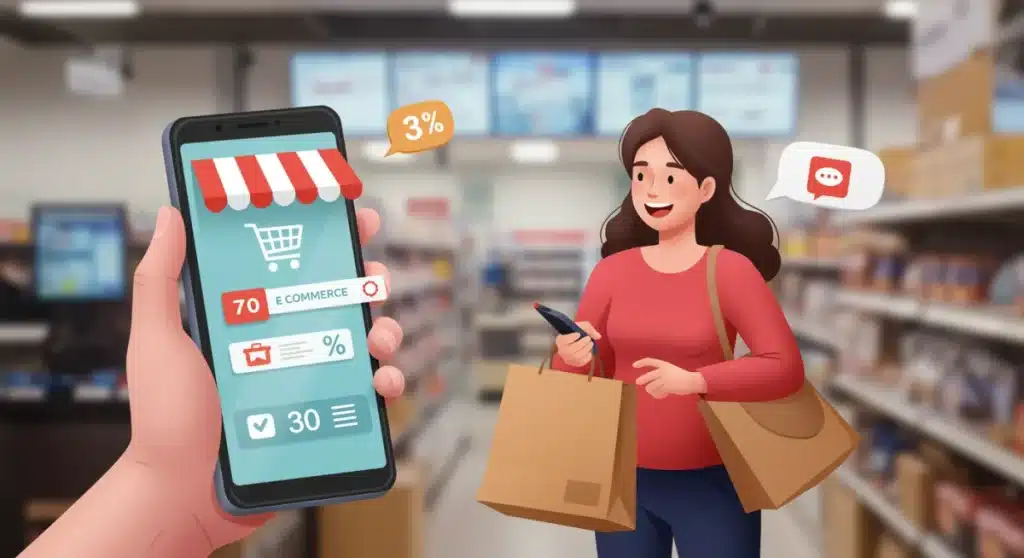
The ‘Buy Online, Pick Up In-Store’ (BOPIS) model is rapidly evolving in US e-commerce, offering crucial convenience and efficiency that will redefine retail strategies and consumer experiences by 2025 and beyond.
The landscape of US e-commerce is in constant flux, but few trends have garnered as much attention and adoption as BOPIS Trends 2025. This model, which allows customers to buy products online and pick them up at a physical store, has transformed from a pandemic-driven necessity into a fundamental expectation for modern shoppers. As we look towards 2025, understanding the nuances and advancements in this ‘click and collect’ approach is not just beneficial, but critical for retailers aiming to thrive in a competitive market.
The Evolution of BOPIS: A Customer-Centric Imperative
BOPIS, once considered a niche offering, has cemented its place as a cornerstone of omnichannel retail. Its appeal lies in bridging the gap between the instant gratification of online shopping and the immediate accessibility of physical stores. This convergence is not merely about convenience; it’s about empowering consumers with choice and control over their purchasing journey.
The journey of BOPIS from a supplementary service to a primary fulfillment option reflects a broader shift in consumer behavior. Shoppers increasingly value flexibility, speed, and the ability to avoid shipping costs. Retailers who have invested in robust BOPIS infrastructure are already seeing significant returns in customer loyalty and sales growth.
Enhanced Customer Experience and Convenience
At its core, BOPIS addresses several pain points for the modern shopper. It eliminates waiting for delivery, reduces potential for package theft, and often provides a faster alternative to traditional shipping, especially for urgent purchases.
- Speed and Efficiency: Customers can often pick up orders within hours, sometimes minutes, of purchase.
- Cost Savings: Avoidance of shipping fees is a major draw, especially for smaller purchases.
- Flexibility: Shoppers can choose a pickup time that suits their schedule.
- Returns Simplicity: In-store returns are often easier when an item was picked up there.
The seamless integration of online and offline channels through BOPIS creates a cohesive shopping experience that resonates deeply with today’s consumers. It’s about providing options that cater to diverse needs and preferences, ultimately fostering greater satisfaction and repeat business.
Technological Innovations Driving BOPIS Adoption
The success of BOPIS hinges heavily on underlying technological advancements. From sophisticated inventory management systems to user-friendly mobile applications, technology is the backbone enabling seamless click-and-collect experiences. These innovations are continuously refining the process, making it more efficient for both retailers and customers.
Retailers are leveraging AI and machine learning to optimize inventory allocation, predict demand, and ensure products are ready for pickup when promised. This technological infrastructure minimizes errors and maximizes operational efficiency, which is crucial for maintaining customer trust and satisfaction.
Smart Lockers and Automated Pickup Points
One of the most significant technological trends shaping BOPIS is the rise of smart lockers and automated pickup points. These solutions offer 24/7 access to orders, reducing reliance on store staff and providing ultimate flexibility for customers.
- Increased Accessibility: Customers can retrieve orders outside of traditional store hours.
- Reduced Labor Costs: Automation lessens the need for staff dedicated solely to BOPIS.
- Enhanced Security: Secure lockers protect packages from theft and damage.
- Contactless Experience: Supports social distancing and minimizes human interaction.
The deployment of these automated systems is not just about efficiency; it’s about transforming the physical store into a versatile fulfillment hub. These technologies are set to become even more prevalent by 2025, offering a glimpse into the future of retail.
Integrating BOPIS into Omnichannel Strategies
For retailers, BOPIS is not a standalone feature but an integral component of a broader omnichannel strategy. It’s about creating a unified brand experience across all touchpoints, ensuring that customers can move effortlessly between online and offline channels. A truly integrated omnichannel approach leverages BOPIS to enhance every stage of the customer journey.
This integration extends beyond simply offering pickup; it involves harmonizing inventory, pricing, promotions, and customer service across all channels. When executed effectively, BOPIS strengthens the overall retail ecosystem, fostering greater customer loyalty and driving incremental sales.
Leveraging Store Foot Traffic
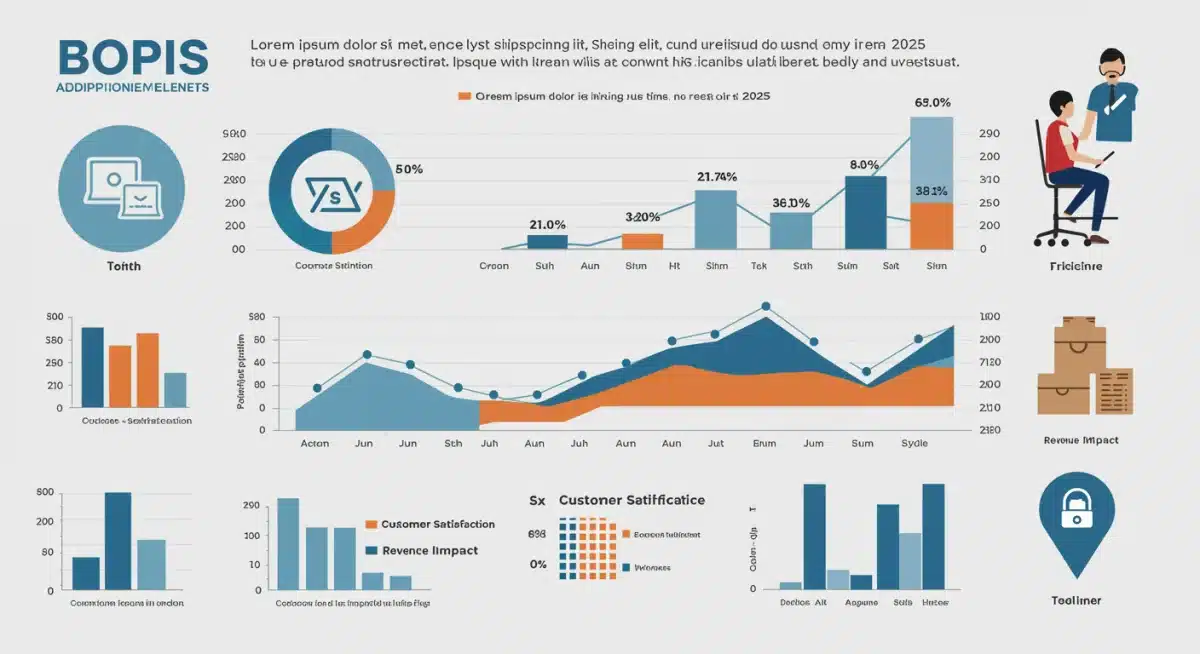
A key benefit of BOPIS for retailers is its ability to drive foot traffic to physical stores. When customers come to pick up an online order, there’s an increased opportunity for impulse purchases and engagement with other products.
- Impulse Purchases: Shoppers often browse and buy additional items when in-store.
- Product Discovery: Exposure to new products and promotions.
- Brand Engagement: Direct interaction with store staff and brand environment.
- Marketing Opportunities: Targeted in-store promotions for BOPIS customers.
By strategically placing pickup counters and designing store layouts that encourage browsing, retailers can maximize the revenue potential generated by BOPIS customers. This synergy between online and offline channels is a powerful driver of growth.
Challenges and Solutions in BOPIS Implementation
While the benefits of BOPIS are clear, its successful implementation comes with its own set of challenges. Retailers must navigate complexities related to inventory accuracy, staffing, store layout, and customer communication. Overcoming these hurdles is essential for delivering on the BOPIS promise and maintaining customer satisfaction.
Addressing these challenges requires a holistic approach that combines technological investment with operational adjustments and staff training. The goal is to create a seamless and efficient process from the moment an order is placed to the moment it is picked up.
Overcoming Inventory Management Hurdles
Accurate, real-time inventory management is paramount for BOPIS success. Discrepancies between online stock levels and actual in-store availability can lead to frustrating customer experiences and lost sales.
- Unified Inventory Systems: Implementing a single source of truth for all inventory.
- Regular Audits: Conducting frequent checks to ensure accuracy.
- Predictive Analytics: Using data to forecast demand and optimize stock levels.
- Dedicated Stock: Allocating specific inventory for online pickup orders.
Investing in advanced inventory management software and training staff on its proper use are critical steps for retailers looking to optimize their BOPIS operations. Without precise inventory data, the entire click-and-collect system can falter.
The Role of Data Analytics in Optimizing BOPIS
Data analytics plays a pivotal role in refining and optimizing BOPIS operations. By collecting and analyzing data on customer behavior, pickup times, popular products, and operational bottlenecks, retailers can gain valuable insights to continually improve their service. This data-driven approach ensures that BOPIS strategies remain agile and responsive to evolving market demands.
From understanding peak pickup hours to identifying staffing needs, data provides the intelligence necessary to make informed decisions. It allows retailers to move beyond guesswork and implement changes based on concrete evidence, enhancing both efficiency and customer satisfaction.
Personalization and Predictive Insights
Advanced analytics can also drive personalization within the BOPIS experience. By understanding individual customer preferences and past behaviors, retailers can offer tailored recommendations and streamline the pickup process even further.
- Personalized Offers: Suggesting relevant products during pickup.
- Optimized Pickup Paths: Guiding customers to their orders efficiently.
- Demand Forecasting: Predicting popular items and peak times to prepare staff.
- Feedback Loops: Collecting and analyzing customer feedback for continuous improvement.
The ability to leverage data for personalization and predictive insights will be a significant competitive advantage for retailers by 2025, allowing them to create highly customized and efficient BOPIS experiences that delight customers.
Future Outlook: BOPIS as a Standard in US Retail
Looking ahead to 2025, BOPIS is set to become an undeniable standard in US e-commerce and retail. Its continued evolution will be marked by even greater integration with emerging technologies, a stronger focus on sustainability, and an ever-increasing emphasis on hyper-convenience. Retailers who embrace these advancements will be well-positioned for future success.
The lines between online and offline shopping will continue to blur, with BOPIS acting as a crucial bridge. The ability to seamlessly transition between digital browsing and physical pickup will not just be an option, but an expectation that defines the modern shopping experience.
Sustainability and Hyper-Personalization
The future of BOPIS will also see an increased focus on sustainability. By reducing last-mile delivery, BOPIS inherently offers a more environmentally friendly option for consumers. Retailers will likely highlight these benefits as part of their brand messaging.
- Reduced Carbon Footprint: Fewer delivery vehicles on the road.
- Eco-Friendly Packaging: Opportunities for reusable bags at pickup.
- Hyper-Personalized Experiences: Tailored offers and streamlined processes based on individual data.
- Community Hubs: Stores evolving into multi-purpose centers for shopping and services.
Ultimately, BOPIS in 2025 will be characterized by its ubiquitous presence, its technological sophistication, and its ability to deliver highly personalized and sustainable shopping experiences. It’s a trend that is not just here to stay, but to continually redefine retail.
| Key Trend | Brief Description |
|---|---|
| Automated Pickup Points | Smart lockers and automated systems for 24/7 order retrieval, enhancing convenience and reducing staff dependency. |
| Data-Driven Personalization | Leveraging analytics to offer tailored product recommendations and streamline the customer pickup experience. |
| Omnichannel Integration | Seamless blending of online and in-store experiences, harmonizing inventory, pricing, and customer service. |
| Sustainability Focus | BOPIS reducing last-mile delivery emissions, with retailers promoting eco-friendly aspects and packaging. |
Frequently Asked Questions About BOPIS in 2025
The primary driver for BOPIS growth in 2025 is enhanced customer convenience and the desire for instant gratification. Shoppers increasingly prioritize speed, flexibility, and the ability to avoid shipping costs, making BOPIS an attractive and efficient fulfillment option that aligns with modern consumer expectations.
Technology will significantly enhance BOPIS efficiency through advanced inventory management systems, AI-driven demand forecasting, and automated pickup solutions like smart lockers. These innovations will streamline operations, reduce errors, and provide customers with faster, more secure, and accessible order retrieval options around the clock.
Yes, BOPIS can significantly increase in-store sales. When customers visit a physical store for pickup, they are more likely to browse and make additional impulse purchases. Retailers can leverage this increased foot traffic by strategically merchandising products near pickup areas and offering personalized in-store promotions.
Main challenges include maintaining real-time inventory accuracy across all channels, optimizing store layouts for efficient pickups, managing staffing needs for order fulfillment, and ensuring seamless integration of online and offline systems. Overcoming these requires robust technology and operational adjustments.
BOPIS contributes to sustainability by reducing the need for last-mile delivery, which often involves multiple vehicles and higher carbon emissions. By consolidating orders for in-store pickup, it minimizes fuel consumption and traffic congestion, offering a more environmentally friendly option for consumers compared to home delivery.
Conclusion
As we navigate towards 2025, the evolution of BOPIS in US e-commerce is not merely a trend but a fundamental shift in how consumers shop and how retailers operate. Its ability to blend the convenience of online purchasing with the immediacy of physical pickup has made it an indispensable component of successful omnichannel strategies. Retailers who continue to innovate in areas such as automated pickup, data-driven personalization, and seamless integration will be best positioned to meet the ever-growing demands of the modern consumer, solidifying BOPIS as a standard rather than just an option in the retail landscape.