Subscription Models Redefining US E-commerce in 2025
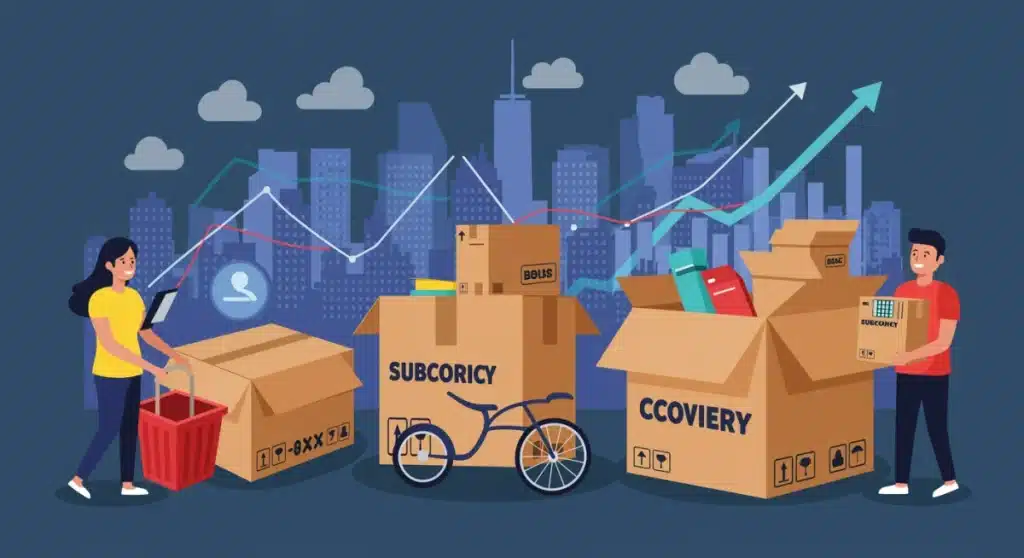
Subscription models are poised to drive a significant 15% increase in sales, fundamentally reshaping the US e-commerce landscape by 2025 through enhanced customer engagement and predictable revenue streams.
Are you ready to discover the future of online retail? The shift towards recurring revenue through subscription models is not just a trend; it’s a fundamental transformation set to unlock 15% more sales: how subscription models are redefining US e-commerce in 2025.
This strategic evolution promises sustained growth and deeper customer relationships.
The rise of the subscription economy in the US
The US e-commerce landscape is undergoing a profound transformation, with subscription models emerging as a formidable force. What began as a niche offering for curated goods has blossomed into a widespread strategy, influencing everything from daily necessities to luxury items. This shift is driven by both consumer demand for convenience and personalization, and businesses’ pursuit of stable, recurring revenue.
Consumers are increasingly valuing seamless experiences and predictable access to products and services. For businesses, the allure lies in fostering strong customer loyalty and generating more stable financial forecasts. This dynamic interaction is propelling the subscription economy forward, establishing it as a cornerstone of modern retail.
Understanding consumer behavior shifts
- Convenience is King: Busy lifestyles demand solutions that save time and effort, making automated deliveries highly attractive.
- Personalization Expectation: Shoppers seek tailored experiences, and subscription boxes often deliver on this with curated selections.
- Value Perception: Many perceive subscription services as offering better value or exclusive access compared to one-time purchases.
- Discovery and Novelty: Curated subscriptions introduce consumers to new products they might not have otherwise found.
The fundamental appeal of subscription models stems from their ability to cater to evolving consumer preferences. Shoppers are no longer content with transactional relationships; they seek ongoing value and a sense of belonging. This psychological shift provides fertile ground for subscription-based businesses to thrive, building communities around their offerings.
In conclusion, the US subscription economy is not merely growing; it’s maturing into a sophisticated ecosystem. Businesses that understand and adapt to these consumer behavior shifts are better positioned to capitalize on the immense potential offered by recurring revenue models, setting the stage for significant sales growth in the coming years.
Benefits for e-commerce businesses: beyond predictable revenue
While predictable revenue is a significant draw, the advantages of integrating subscription models into an e-commerce strategy extend far beyond financial stability. Businesses adopting this model often experience enhanced customer lifetime value (CLTV), reduced customer acquisition costs (CAC), and invaluable data insights that fuel further growth and personalization.
The recurring nature of subscriptions transforms one-off transactions into continuous relationships. This fundamental change allows companies to invest more in customer retention strategies, which are inherently more cost-effective than constantly acquiring new customers. The long-term engagement fostered by subscriptions creates a virtuous cycle of loyalty and sustained purchasing.
Improving customer lifetime value
- Consistent Engagement: Regular deliveries or service access keeps the brand top-of-mind for subscribers.
- Reduced Churn Risk: Loyal subscribers are less likely to switch to competitors, provided the value remains high.
- Upselling Opportunities: Established relationships make it easier to introduce premium tiers or complementary products.
- Data-Driven Personalization: Ongoing interactions provide rich data for tailoring offers and improving satisfaction.
The strategic implementation of subscription models provides a robust framework for improving CLTV. By consistently delivering value and understanding subscriber preferences, businesses can transform fleeting customers into brand advocates. This deeper relationship is crucial for sustainable growth in a crowded e-commerce market.
Furthermore, the data collected from subscription services offers unparalleled insights into consumer behavior. This information can be leveraged to refine product offerings, optimize marketing campaigns, and predict future trends. Such data-driven decision-making is a powerful competitive advantage, enabling businesses to stay ahead of the curve. Ultimately, subscription models are not just about transactions; they are about building enduring customer relationships that yield significant long-term benefits.
Key strategies for successful subscription model implementation
Implementing a successful subscription model requires careful planning and a deep understanding of market dynamics. It’s not enough to simply offer a recurring payment option; businesses must craft compelling value propositions, optimize pricing structures, and prioritize seamless customer experiences. The foundation of success lies in aligning the subscription offering with genuine customer needs and expectations.
Starting with a clear understanding of your target audience is paramount. What problems can your subscription solve for them? What added convenience or value can you provide that a one-time purchase cannot? Answering these questions will guide the development of a strong and sustainable subscription program that resonates with consumers.
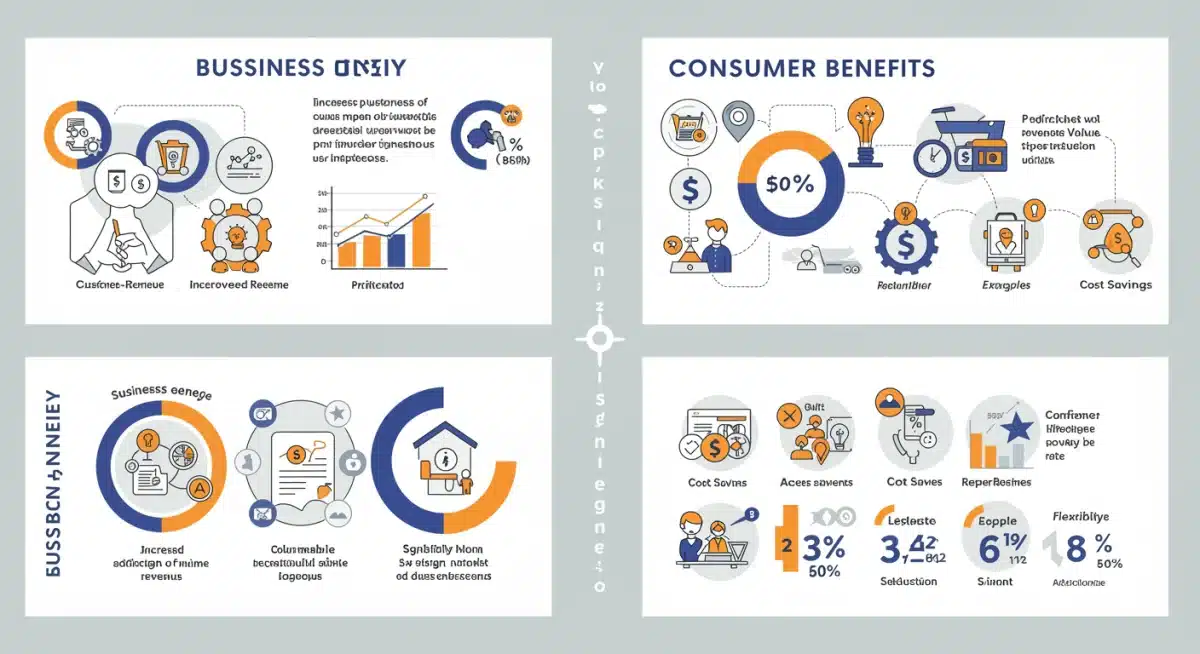
Crafting compelling value propositions
- Exclusive Access: Offer members-only products, content, or early access to new releases.
- Cost Savings: Highlight the discounts or bundled savings compared to individual purchases.
- Convenience: Emphasize automated delivery, skipping decision-making, and replenishment.
- Personalization: Showcase how the subscription adapts to individual preferences over time.
A truly compelling value proposition is the cornerstone of subscription success. It needs to clearly articulate why a customer should commit to a recurring payment rather than a single transaction. This often involves a combination of tangible benefits like savings and convenience, alongside intangible benefits such as community belonging or discovery.
Moreover, businesses must continuously analyze subscriber feedback and engagement metrics to refine their offerings. The subscription model thrives on evolution; what works today might need adjustment tomorrow. Agility and a customer-centric approach are crucial for long-term viability and for truly unlocking 15% more sales in the competitive US e-commerce landscape. Effective implementation means not just launching, but continuously optimizing the subscription experience.
Technological infrastructure: powering the subscription experience
The backbone of any thriving subscription business is a robust and scalable technological infrastructure. From managing recurring payments to personalizing recommendations and handling customer service, the right technology ensures a smooth and efficient operation. Without adequate digital tools, even the most innovative subscription concept can falter under operational complexities.
Investing in specialized subscription management platforms is no longer a luxury but a necessity. These systems automate critical processes, reduce manual errors, and provide crucial insights into subscriber behavior. They enable businesses to focus on growth and customer satisfaction rather than getting bogged down by administrative tasks.
Essential technology components
- Subscription Billing Software: Manages recurring payments, trials, upgrades, and downgrades efficiently.
- CRM Integration: Connects customer data for personalized communication and service.
- Inventory Management: Ensures timely fulfillment for physical product subscriptions.
- Analytics and Reporting Tools: Provides insights into churn rates, customer lifetime value, and engagement.
The selection of technological partners should be strategic, prioritizing platforms that offer flexibility, integration capabilities, and strong security features. As the subscription business scales, the infrastructure must be able to keep pace without compromising performance or customer experience. Seamless technology prevents friction points that can lead to subscriber churn.
Furthermore, robust analytics are indispensable for understanding subscriber behavior, identifying trends, and proactive problem-solving. This data empowers businesses to make informed decisions, optimize their offerings, and refine their marketing efforts. Ultimately, a well-chosen and integrated tech stack is critical for powering a superior subscription experience and achieving the ambitious goal of unlocking 15% more sales in US e-commerce.
Overcoming challenges and ensuring long-term growth
While the potential for growth with subscription models is immense, businesses must also be prepared to navigate various challenges. High churn rates, intense competition, and the constant need to deliver fresh value are just a few hurdles that require strategic planning and continuous effort. Sustaining long-term growth in the subscription economy demands resilience and adaptability.
One of the primary challenges is managing customer churn. Subscribers can easily cancel if they perceive a decline in value or find a more attractive alternative. Therefore, continuous innovation, proactive customer engagement, and transparent communication are vital to retaining subscribers and fostering loyalty over time.
Strategies for churn reduction
- Proactive Engagement: Regularly communicate with subscribers, gather feedback, and address concerns promptly.
- Value Reinforcement: Consistently highlight the benefits and exclusive features of the subscription.
- Flexible Options: Offer pause, skip, or downgrade options to prevent outright cancellation.
- Personalized Offers: Use data to provide tailored incentives or product recommendations.
Moreover, the competitive landscape of the subscription economy necessitates constant differentiation. Businesses need to continually innovate their product or service offerings, explore new niches, and enhance the overall customer experience to stand out. Simply having a subscription option is no longer enough; it must be exceptional.
In conclusion, while challenges exist, they are surmountable with a strategic and customer-centric approach. By prioritizing value, fostering strong relationships, and leveraging technology effectively, e-commerce businesses can not only overcome obstacles but also secure long-term growth and successfully redefine their position in the US market, ultimately unlocking a significant increase in sales.
The future outlook: subscription models shaping US e-commerce in 2025
Looking ahead to 2025, subscription models are poised to become an even more integral part of the US e-commerce ecosystem. Their influence will extend beyond traditional product boxes, permeating various sectors and reshaping how consumers interact with brands. This evolution signifies a permanent shift towards relationship-based commerce, driven by convenience, personalization, and sustained value.
The confluence of advanced AI, predictive analytics, and evolving consumer expectations will further fuel the sophistication of subscription offerings. Businesses will leverage these technologies to create highly individualized experiences, anticipating needs and delivering solutions before customers even realize they require them. This proactive approach will solidify customer loyalty and drive continued adoption.
Emerging trends in subscription e-commerce
- Hyper-Personalization: AI-driven recommendations will create unique subscription experiences for each user.
- Hybrid Models: Blending subscription with on-demand purchases for ultimate flexibility.
- Experience-Based Subscriptions: Focus shifts from just products to curated experiences and communities.
- Sustainability Focus: Eco-friendly and ethical sourcing will become key differentiators for subscription brands.
The competitive pressure will also intensify, pushing businesses to innovate constantly. Those that fail to adapt their subscription models to meet changing consumer demands and technological advancements risk being left behind. The future belongs to brands that can consistently deliver exceptional value and a seamless, engaging experience.
In essence, 2025 will see subscription models not just as a sales strategy, but as a fundamental pillar of US e-commerce. Their ability to foster deep customer relationships, generate predictable revenue, and adapt to evolving market needs will be crucial for any business aiming to unlock significant sales growth and maintain a competitive edge in the dynamic digital marketplace. The future is subscribed.
| Key Aspect | Description |
|---|---|
| Sales Growth Potential | Subscription models are projected to unlock 15% more sales in US e-commerce by 2025. |
| Customer Loyalty | They foster stronger relationships and higher customer lifetime value through recurring engagement. |
| Operational Efficiency | Leveraging robust tech infrastructure for automated billing and personalized experiences. |
| Future Trends | Hyper-personalization, hybrid models, and sustainability will drive future subscription growth. |
Frequently asked questions about subscription models in e-commerce
Subscription models in e-commerce involve customers paying a recurring fee, typically monthly or annually, to receive products or access services regularly. This can range from curated boxes of goods to digital content or replenishment of everyday items, focusing on convenience and ongoing value.
The 15% sales increase comes from several factors: predictable recurring revenue, higher customer lifetime value due to sustained engagement, reduced churn compared to one-time buyers, and opportunities for upselling and cross-selling within an established customer relationship.
Key challenges include managing customer churn, standing out in a competitive market, continuously delivering perceived value, and maintaining a robust technological infrastructure for billing and customer management. Innovation and customer satisfaction are crucial for overcoming these hurdles.
Technology provides essential tools for subscription billing, CRM integration, inventory management, and analytics. Advanced platforms automate processes, personalize customer experiences through AI, and offer data insights to optimize offerings, making operations efficient and scalable.
By 2025, hyper-personalization driven by AI, the integration of hybrid subscription-on-demand models, a stronger focus on experience-based offerings, and an emphasis on sustainability and ethical practices will be key trends shaping the subscription landscape.
Conclusion
The trajectory of US e-commerce is undeniably pointing towards a future dominated by subscription models. The promise of unlocking 15% more sales is not merely an ambitious target but a tangible outcome for businesses that strategically embrace this shift. By prioritizing customer value, leveraging robust technology, and continuously innovating, companies can transform transactional relationships into enduring partnerships. As we move towards 2025, the subscription economy will continue to redefine market dynamics, offering unprecedented opportunities for growth and resilience in a rapidly evolving digital world. EcomMarketReport remains committed to tracking these vital trends, providing insights that empower businesses to thrive.